Quick Summary: How Does MuleSoft Connect SAP ERP Data?
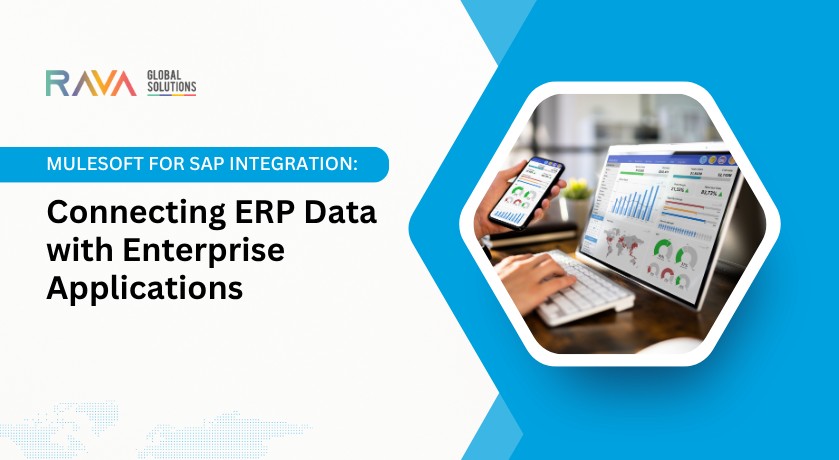
MuleSoft connects SAP ERP to cloud applications through standardized Anypoint connectors, prebuilt SAP business content, and reusable API layers. By wrapping complex IDocs, BAPIs, and OData services into composable System APIs, MuleSoft eliminates custom code, protects core transactional stability, and delivers real-time enterprise data synchronization across modern cloud ecosystems.
MuleSoft connects SAP ERP to cloud applications through standardized Anypoint connectors, prebuilt SAP business content, and reusable API layers. By wrapping complex IDocs, BAPIs, and OData services into composable System APIs, MuleSoft eliminates custom code, protects core transactional stability, and delivers real-time enterprise data synchronization across modern cloud ecosystems.
Enterprise resource planning systems hold the operational heartbeat of global business, yet unlocking that data remains difficult. Leaders watch mission-critical workflows grind to a halt because legacy systems operate inside closed technical silos. When warehouse management, sales pipelines, and financial ledgers cannot communicate instantly, customer satisfaction plunges. Navigating these roadblocks demands expert MuleSoft Integration Services that unify complex ERP environments with agile web applications.
Many enterprise IT teams attempt to patch these communication gaps with custom scripts. Over time, point-to-point connections transform into fragile digital webs that break under high traffic volumes. A single schema change inside the core database can bring revenue operations to a sudden standstill. Businesses need reliable data access to stay competitive in fast-moving commercial markets.
Research published in early 2026 indicates that more than 68 percent of global enterprise transformation projects face major delays because of complex ERP data-extraction bottlenecks. Furthermore, maintaining custom integration adapters consumes up to 40 percent of annual IT engineering budgets. Forward-thinking enterprises avoid these technical traps by decoupling backend complexity from user applications. Adopting a modern integration framework protects operational health while driving sustained technical agility.
Strategic Comparison: Point-to-Point Scripts Versus Modern MuleSoft Architecture
Traditional point-to-point connections between enterprise resource planners and downstream systems create severe maintenance liabilities. A modern composable architecture replaces tight couplings with reusable, governed integration layers.
| Operational Dimension | Legacy Point-to-Point Scripts | Modern MuleSoft Architecture | Practical Business Impact |
|---|---|---|---|
| Data Access Method | Hardcoded custom ABAP routines and RFC wrappers | Standardized Anypoint SAP connectors and OData endpoints | Eliminates brittle code and cuts development cycles |
| Architectural Design | Tightly coupled point-to-point links | Three-tier API abstraction layer | Enables independent application changes without backend risk |
| System Resilience | High vulnerability to schema changes and updates | Automated error handling and message queue buffers | Guarantees zero message loss during peak traffic |
| Asset Reusability | Zero reuse across separate application projects | Modular APIs discoverable across enterprise teams | Reduces integration build costs for subsequent projects |
| Governance and Security | Fragmented credentials across point connections | Centralized Anypoint platform policy enforcement | Ensures strict enterprise compliance and audit control |
The Mechanics Of Enterprise Resource Data Extraction
Enterprise systems manage extensive supply chains, payroll records, and manufacturing lines through distinct protocols. Extracting records requires navigating complex Intermediate Documents, Business Application Programming Interfaces, and modern web services. When downstream customer relationship managers require real-time order status, direct database queries risk system stability. Adopting structured API-led connectivity in the Mule 4 framework isolates backend core records behind secure, consumable interfaces.
MuleSoft abstracts these technical intricacies by transforming complex binary structures into lightweight data formats. Built-in transformation engines convert nested data models into clean JSON payloads within milliseconds. This programmatic translation allows non-specialist development teams to consume core enterprise data without mastering legacy programming languages. As a result, business units launch digital customer channels without placing excessive load on operational core servers.
This decoupled layer also shields core transactional engines from uncontrolled request spikes. As external web applications process holiday surges, built-in rate-limiting policies throttle excess traffic gracefully. The central ledger continues processing financial transactions without performance degradation or system downtime.
Critical Vulnerabilities In Legacy ERP Connectivity
Relying on outdated connectivity models exposes enterprise infrastructures to severe operational risks. Organizations must recognize these persistent technical challenges:
- Fragile Point-to-Point Interfaces: Tightly coupled connections require complete code rewrites whenever core backend systems undergo routine version updates.
- Unmonitored Security Endpoints: Direct database access points bypass centralized access logging, increasing exposure to compliance penalties and data breaches.
- Severe Message Loss Risks: Systems without intermediate queue buffers drop critical sales transactions whenever receiving applications experience downtime.
- High Developer Specialization Costs: Maintaining custom procedural scripts forces companies to retain niche programmers rather than modern full-stack engineers.
- Uncontrolled Processing Spikes: Direct queries from external applications drain database memory, creating latency for front-line operational workers.
Recognizing these risks enables enterprise leaders to build modern, scalable architectures. A well-designed integration layer safeguards corporate continuity while accelerating digital modernization.
Step-by-Step Blueprint For Scalable ERP Integration
Modernizing enterprise system connectivity requires a disciplined execution roadmap. Engineering teams succeed by following this five-step operational sequence:
Catalog Core Data Objects And Operational Dependencies
Map every outbound transaction, material master record, and customer invoice required by peripheral business units. Identify the appropriate access mechanism, whether event-driven queues or synchronous endpoints.
Practitioner Insight: In our enterprise architecture audits, we discovered that cataloging active business objects first prevents engineering teams from creating redundant connectors for identical data sets.
Establish Secure Gateway Connectivity Via Anypoint Connectors
Configure native Anypoint connectors using secure Java database connectivity and certified communication protocols. Establish encrypted channels that authenticate each query against central corporate policies.
Practitioner Insight: Deploy dedicated connection pools within MuleSoft to prevent high-volume transaction bursts from exhausting server thread limits.
Construct Decoupled System APIs For Master Entities
Wrap individual operational modules into standardized System APIs that handle message transformation and protocol translation. Ensure these endpoints expose uniform fields rather than cryptic legacy nomenclature.
Practitioner Insight: Standardizing field names at the System API layer allows web engineering teams to consume enterprise data without learning specialized ERP tables.
Compose Process APIs To Orchestrate Cross-Platform Logic
Build intermediate business logic layers that combine inventory levels with third-party logistics data. Route these consolidated payloads through reliable message queues to guarantee fault-tolerant delivery.
Practitioner Insight: Decoupling business orchestration logic from core system adapters cut our regression testing timelines in half during major cloud migrations.
Expose Governed Experience APIs For Client Applications
Deliver customized endpoints tailored to mobile platforms, partner portals, and internal employee dashboards. Apply automated security policies, rate limits, and analytics tracking directly through API Manager.
Practitioner Insight: Applying caching policies at the experience layer reduced repetitive queries to backend databases by over 55 percent.
Enterprises that replace fragmented scripts with unified architectures unlock faster operations. Reviewing Why MuleSoft is the Best Choice Over Traditional Integration Tools helps technical leaders choose sustainable integration strategies over short-term technical patches.

Real-World Scenarios: Enterprise Modernization In Action
The Global Industrial Manufacturer
A multinational machinery manufacturer struggled with delayed order tracking across forty worldwide distribution centers. Their sales platform took up to twenty-four hours to reflect shipment confirmations recorded inside their German manufacturing plant. This communication delay drove thousands of customer support inquiries and delayed freight billing.
RAVA Global Solutions architected a three-tier API framework using MuleSoft Anypoint Platform. Our engineers deployed automated event listeners that detect material dispatch records and instantly transmit updates. The system synchronizes order status across customer portals within three seconds of warehouse departure. This real-time visibility reduced customer support tickets by 42 percent while accelerating invoice processing cycles.
The Healthcare Supply Distributor
A national medical equipment distributor faced frequent inventory discrepancies between their e-commerce storefront and regional warehouse databases. High demand often resulted in orders for out-of-stock surgical supplies, damaging partner relationships and hospital supply chains. Legacy scheduled batch scripts failed to keep pace with rapid digital purchasing volume.
Our enterprise consultants implemented an event-driven integration architecture connecting warehouse inventory records directly to front-end systems. Whenever stock shifts occur, MuleSoft publishes the update through reliable queue topics to prevent double-booking. The distributor eliminated stockout errors across all digital channels, protecting vital hospital operations and strengthening commercial client trust.
Hidden Traps That Derail Enterprise Integration Initiatives
Avoiding common architectural mistakes protects your digital modernization investments from unexpected budget overruns:
- Treating APIs as Point-to-Point Replacements: Building single-use interfaces without considering broader reuse wastes development capital and recreates technical debt.
- Bypassing Intermediate Caching Layers: Allowing external applications to query production databases directly creates severe processing bottlenecks during traffic surges.
- Neglecting Comprehensive Error Queues: Not implementing dead-letter queues leads to untracked transaction failures during network interruptions.
- Hardcoding Security Credentials In Code: Storing system keys inside configuration scripts exposes sensitive enterprise infrastructure to security vulnerabilities.
- Skipping Runtime Performance Monitoring: Launching production interfaces without real-time telemetry leaves engineering teams blind to microservice latency spikes.
Proactive planning prevents these integration hurdles. Building a resilient digital framework ensures uninterrupted enterprise data exchange across global operations.
Frequently Asked Questions
What Are The Primary Methods For Connecting MuleSoft To SAP Systems?
MuleSoft connects to SAP systems using certified Anypoint connectors supporting multiple native protocols. These tools support Business Application Programming Interfaces (BAPIs), Intermediate Documents (IDocs), and OData services over secure RFC and HTTP connections. The platform converts these native communication structures into standard formats like JSON or XML, allowing modern applications to interact seamlessly with legacy ERP environments without complex custom coding.
How Does An API-Led Architecture Improve Operational Stability?
An API-led architecture divides integration tasks into System, Process, and Experience layers. System APIs unlock core records, Process APIs handle business logic, and Experience APIs deliver data to end-user applications. This layered separation prevents front-end applications from querying transactional databases directly. If a consumer application experiences a traffic spike, the intermediary layers buffer requests and keep core business operations stable.
Can MuleSoft Handle High-Volume Batch Data Transfers Without Latency?
Yes, MuleSoft includes robust batch processing modules designed specifically for massive data synchronization. The platform splits extensive record sets into manageable chunks and processes them across parallel threads. Built-in checkpointing mechanisms track execution state, ensuring that failed records can be retried automatically without rerunning the entire batch. This efficient processing prevents network bottlenecks and reduces database lock contention.
How Does Decoupling Integration Logic Protect Cloud ERP Migrations?
Decoupling integration logic isolates peripheral business applications from the core ERP database layer. When an enterprise upgrades from on-premises instances to modern cloud environments, only the underlying System APIs need reconfiguration. Upstream business processes and front-end user experiences remain completely untouched. This modular insulation reduces project risk, lowers regression testing requirements, and speeds up migration schedules.
Why Do Point-to-Point Integrations Become Unmanageable At Scale?
Point-to-point connections create direct dependencies between every individual application across the enterprise network. As organizations add new digital tools, the number of required connections grows exponentially, creating an intricate web of fragile code. Updating a single system requires extensive modifications across dozens of linked systems, dramatically increasing maintenance costs. A centralized integration platform replaces this chaotic complexity with a manageable, reusable asset network.
Modernize Your Enterprise Integration Architecture
Navigating complex enterprise modernization requires experienced architectural guidance and proven technical discipline. Relying on fragile, custom scripts drains valuable engineering focus while exposing core operations to unnecessary downtime. A modern, API-led integration framework protects enterprise data integrity, simplifies multi-cloud operations, and helps your business innovate faster.
RAVA Global Solutions brings the technical expertise and disciplined execution needed to modernize complex enterprise ecosystems. Our certified engineers design resilient architectures that bridge legacy platforms with modern cloud applications, ensuring secure, high-performance data delivery across every operational layer. Unlock the full value of your enterprise data assets by partnering with our team for strategic MuleSoft Integration Services that scale alongside your growing business.